Devin Paul
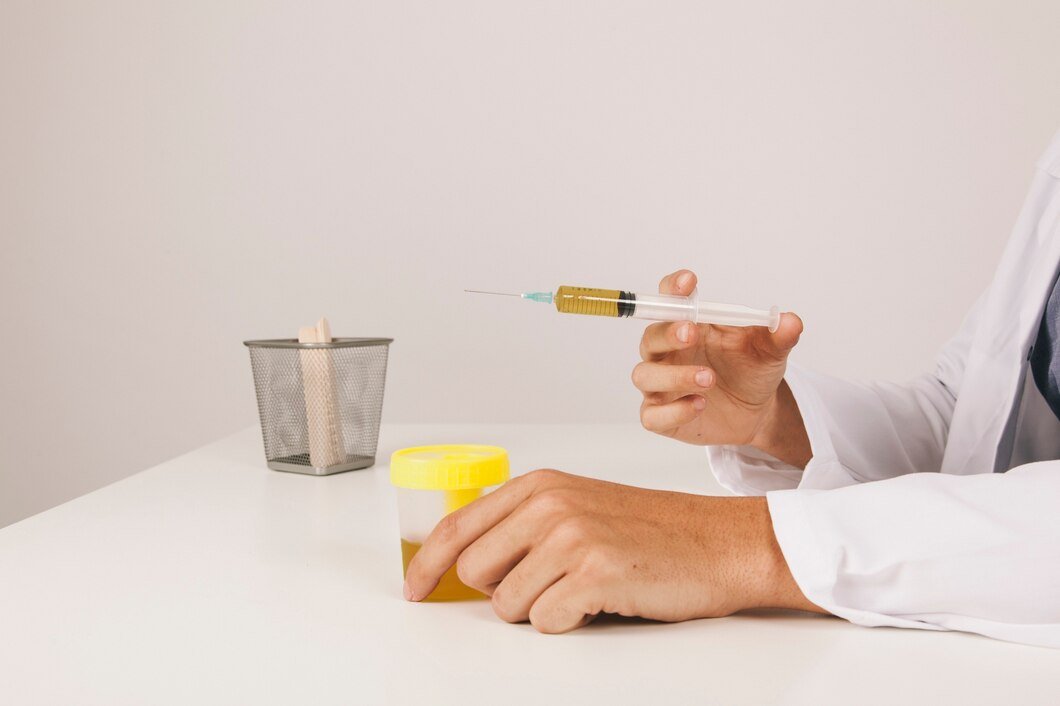
Synthetic urine is becoming an increasingly significant topic in clinical toxicology and investigative studies. Created in a laboratory specifically to simulate one or more chemical and/or physical qualities of human urine, synthetic samples are used as a standard sample in traditionally used laboratories for QC, equipment calibration and assessment of testing procedures. These applications are used to determine the reliability and consistency of the analytical instruments used by researchers. Another concern with commercial products labeled “synthetic urine” has been the ability to use synthetic urine to replace urine in drug screenings. This is crucial to safeguard public health and trust in laboratory results while ensuring that tests are not tampered with for academic or commercial ends.
The Chemistry of Synthetic urine
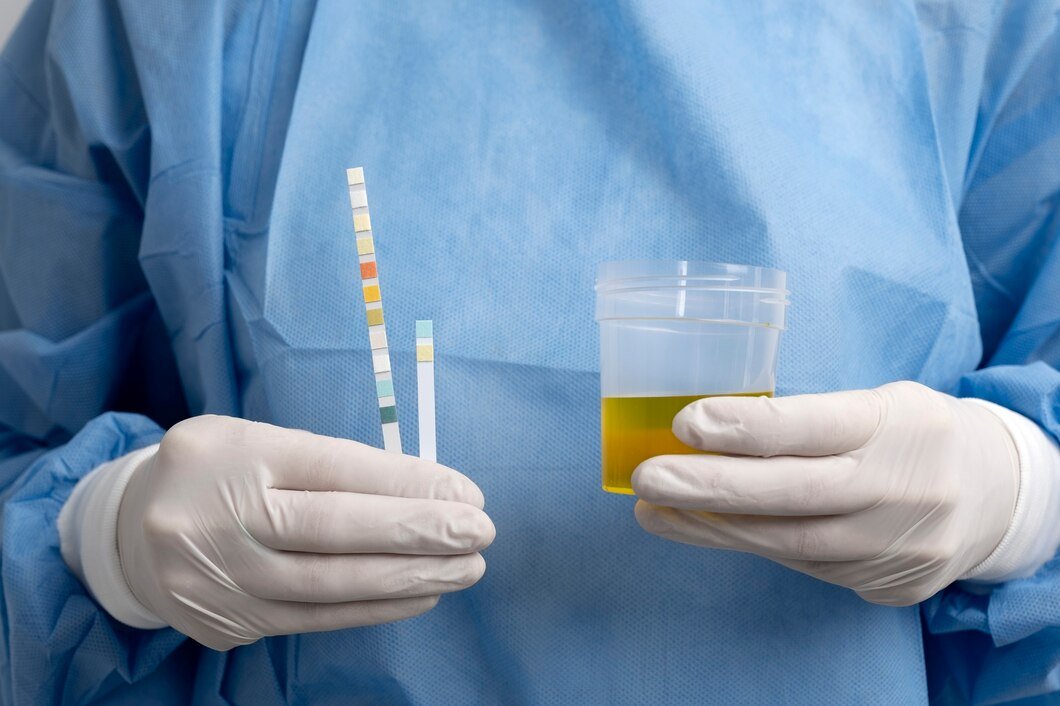
Human urine consists of water, nitrogenous wastes, such as urea and creatinine, plus various metabolic wastes and electrolytes. Synthetic formulations try to duplicate some of these properties with chemically pre-made components. While fake synthetic pee might look like natural and certain lab test results, it is not necessarily biologically the same. The cells and biological markers in authentic urine can yield more information about the functioning of the body. A study recently published in Drug Testing and Analysis has delved into the possibilities of identifying synthetic products using the microscopic analysis and proteomics. The achievements of these developments provide valuable examples of the need for more than a mere visual examination for specimen assessment.
Coordinating and facilitating new advances
Today’s drug testing incorporates screening and confirmatory testing in the lab, if necessary. Specimen validity may be assessed by looking at pH level, creatinine concentration and specific gravity, etc., to find if there is any of the following: 1. dilution of the specimen and/or 2. possible adulteration of the specimen. These can help to enhance the identification of dubious materials and increase the confidence in the value of clinical and workplace testing programs. It is important to interpret the results correctly as screening can have tremendous medical, occupational, and legal implications. With so many sophisticated versions of synthetic urine, there is a growing need for responsible testing and continued advancements in scientific technology. While there are legitimate uses for synthetic pee in quality assurance in a laboratory setting, creating synthetic pee to falsely report a drug exposure can affect the integrity of the test, and can complicate a doctor’s diagnosis. The results should be used in conjunction with the medical history and verification when required by a healthcare professional.

 Adam smith